Who Serves First In Tennis?
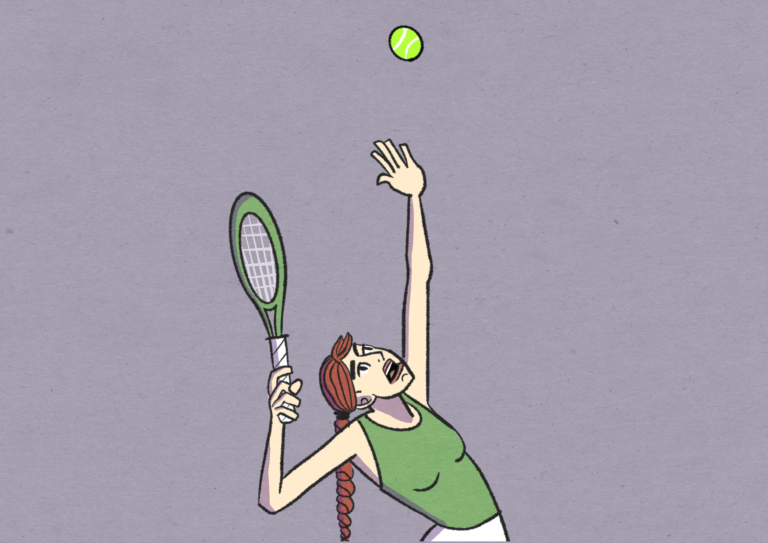
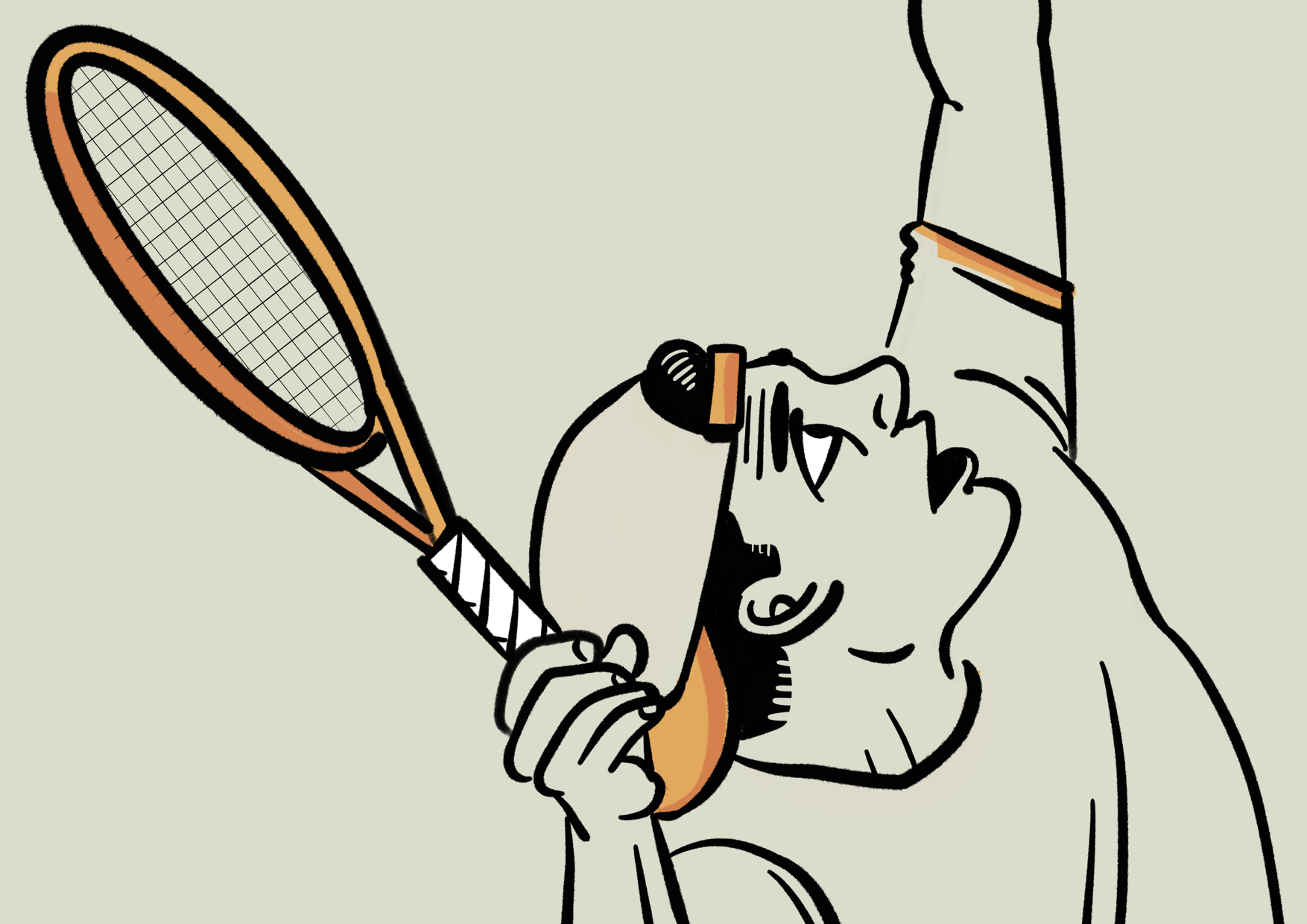
A serve marks the start of a point, game, set, or match in tennis. Strong serves can make or break a game. If you serve first, you might have a big advantage against your opponent. Luck decides who serves first for the first set, with different methods used at different levels to decide the first server. Thankfully, there are ways you can play to your strengths if you win or lose the toss.
Coin Toss
At the level of tennis with umpires and officials, coin tosses are the deciding method to see who serves first. ITF Rules ensure that this coin toss happens before the warm-up. This is done so players can warm-up specifically thinking about that given side’s conditions. Also if a player knows they are receiving or serving, they can zero in on this during the warm-up. One player will be selected randomly to call heads or tails. The umpire will toss the coin, and voila! If the player accurately predicts the side of the coin, then they get to choose to serve or receive. Rarely, players will defer this choice to their opponent. If the winner of the toss chooses to serve or receive, the other player picks the side they wish to start on.
Racquet Spin
Who carries coins around anymore though? Racquet spins have replaced the coin toss in almost all levels of tennis besides professional. How does the racquet spin work? One player decides to use the butt of the racquet to make the choice. With a Wilson racquet, this might look like one player asking, “M or W?”. Prince racquets, “P or D”. Head or Nike racquets, “Peak or valley”. Babolat racquets, get creative. The other player will pick.

The spinning player will spin the racquet on the court, spinning the head of the racquet on the ground. When the racquet falls down, the “winning” letter is the one facing upright. For other racquet brands, the spinning player might call, “up or down”. Some players invest in fancy stickers that have fun items for up-or-down. These stickers stick to the butt of the racquet and have fun themes. Once the racquet spin occurs, the following decision works the same way as the coin toss.
Rock-paper-scissors
Don’t want to do the racquet spin and want to decide the first server in a more fun way? Rock-paper-scissors! With beginner players and younger athletes, sometimes the classic rock-paper-scissors is used. Sometimes it’s best of 3, or just 1, but make sure you clarify before so that there isn’t any confusion with your opponent!
Casual Tennis
At a more casual tennis level, sometimes players do not care. If you’re just playing with a friend, they might say, “you serve first.” This isn’t official, but sometimes, it just eases the serving decision. Oftentimes, you’ll hear “first one in” with casual tennis, which means, the point doesn’t count til the serving player gets a serve in. This means even if the player would technically double fault, you keep waiting for a service to go in.
To review, here are the options for if you win the toss:
- Serve: You can choose to serve first. This leaves your opponent to decide which side they prefer to start on.
- Return: You can pick to return, having your opponent serve. With this option, your opponent can pick the side.
- Side: The least common choice for the toss winner would be to pick which side you want to start on, deferring the service option to your opponent.
How should you decide what to choose if you win the toss? Know yourself. If the winner of the toss chooses to serve or return, you can decide the side of the court to play on. Use this to your advantage!
Say your opponent says they want to serve first, but you realize that there’s a debilitating sun hitting one side of the court. Think strategically. Do you want to have them serve in the sun for the first game and choose the shaded side? But, remember–for games two and three, you’ll be on the sunny side. Even though this might sound unimportant, this decision can affect your game, especially when you’re playing outside and there’s external factors involved.
Why Serve First?
Serving first is universally seen as the most advantageous. Why? Well, the psychological element plays a role here. It shows you’re confident. You want to show your skills and you’re ready to play, in the eyes of your opponent.
In terms of tactical advantage, unless your serve is considerably weaker than the rest of your game, you have an advantage starting serving. You get to dictate the start of the point. Not only do you get to dictate the start of the point, but you’re setting yourself up for winning the first game. According to Brad Gilbert’s Winning Ugly, professionals win their service around 80-85% of the time. That might not be the same for a beginner or intermediate player, but the statistical advantage when serving first is important to acknowledge here.

Serving first also lets you warm-up all aspects of your game quicker. Serving puts the player in a dominant position, you’ll be able to play more aggressively, and put yourself on the offensive quicker.
Why Receive Serve First?
As previously mentioned, serving at the start of the match may be bad idea because you don’t feel fully warmed up. If this is the case, consider receiving. Another psychological element involved when deciding to receive may just be nerves. If you’re not confident in your serve, it might mess with your mind to be down 0-1 on your own serve. At the end of the day, whatever psychological advantage you can give yourself, take it.
Also, assess your opponent’s serve from the warm-up. Do they seem super confident with their serve and you would rather serve first to play your strongest suit? Then do that!
One way to consider this too is to think forward into the set. If you know it’s going to be a contentious match and you and your opponent seem neck and neck, returning might give you an advantage later on into the set. For instance, if the score is 4-5, or 6-5, you will be serving if you opt to receive first.
At the beginner to intermediate level, choosing to receive first can be advantageous because serves are weaker at the start of the match. Some believe your opponent is more likely to break their serve at the start of the match, so by taking the riskier approach and receiving first, you might snag an extra game.
Understanding who serves first in tennis and all the strategy behind your choice can seem challenging. At the end of the day, you have to decide for yourself and evaluate what kind of player you are. Are you ready to go and good at aggressive play? Are you worried it will be a close match and want to start with an advantage? Serve! Are you slightly more nervous, or want more time to return up? Then receive. Or maybe, you’re worried about the sun factor. Now that you know how to evaluate the possible choices, you can be a more successful tennis player.