How Important is Your Ball Toss to your Tennis Serve?
You are likely aware that a good serve is crucial to your tennis game. Is your serve, however, the most critical part of tennis? Quite possibly. It’s like pitching in baseball — If you lob a meatball right over the plate , it’s easy for the batter to get a hit. But a good pitch, just like a good serve, which starts with a ball toss, gives you the initial advantage.
Serving was always my least favorite part of practice. Although a break from running side to side is always appreciated, practicing serves when you’re tired can be tedious. If there’s one thing I wish I had done differently, however, it would have been to embrace serving practice. As a lefty, I should have been more enthusiastic about the frustration and havoc my serve could wreak on opponents. There are few things more rewarding than walking off the court after a match knowing that you had an amazing serving day. It makes or breaks matches, so mastering your serve is imperative. Here are some pointers to help you do that.
Working on Your Ball Toss
Working on your ball toss is a crucial step in mastering your serve. Yes, I said ball toss. As simple and silly as that sounds, your ball toss is the first step in maximizing your serve’s potential. The ball toss has three main parts: height, direction, and motion.
Ball toss height
- Professional players use different toss heights (e.g., Aryna Sabalenka = high toss, Nick Kyrgios = low toss).
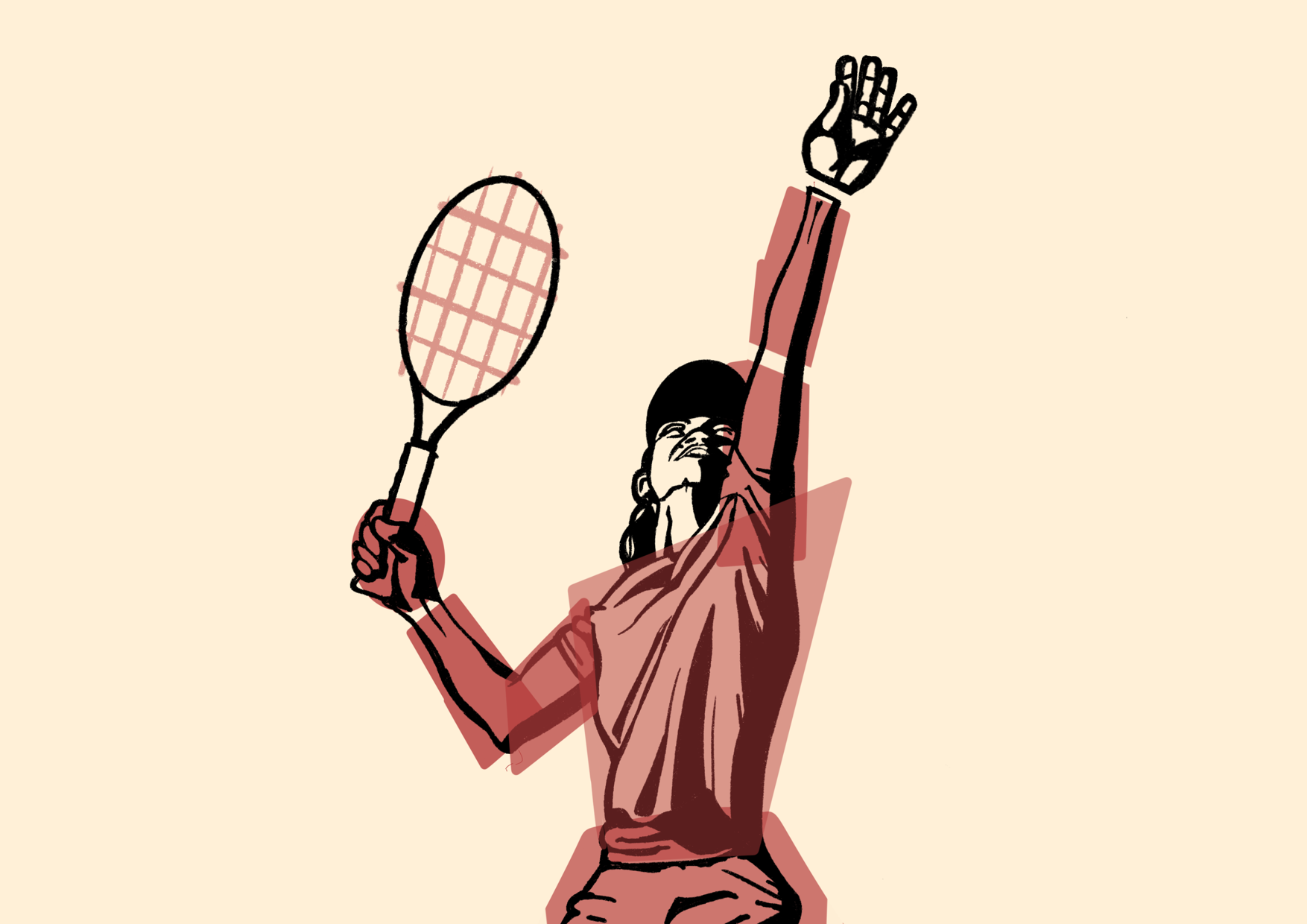
- All good players make contact at the same spot — at full arm extension.
- The exact toss height doesn’t determine success, but consistency at contact point does.
- Personalize your toss: Experiment with different heights to find what works best for you.
- Reminder: It’s okay to catch the toss and restart — pros do it too!
Where to toss the ball
- Flat/Power Serve:
- Toss inside the court, between your head and hitting shoulder.
- Ideal for fast, aggressive serves.
- Kick Serve (for spin or second serve):
- Toss slightly behind your head and over the left shoulder (for righties).
- Helps create upward brushing motion for topspin.
- Slice Serve:
- Great for pulling opponents wide or jamming them.
- Toss slightly to your right side (for right-handed players).
- Can also keep it similar to the flat serve toss.
“Tossing” vs “Throwing”
One of the biggest challenges with the ball toss is actually “tossing” as opposed to “throwing”. It’s important to relax your hand and gently release the ball off your fingertips, not the palm of your hand. My grandma, who coached me throughout much of my junior tennis years, would always say “think about guiding the ball in the air rather than throwing it”. Picture you’re holding a baby bird in your hand and gently releasing it into the world. By doing this, the ball will have less spin in the air and be easier to control.
Mastering the ball toss for your serve can be tricky. Add external elements like wind and sun, and it can be downright frustrating. Don’t get discouraged though, because even experienced players like myself still fumble it from time to time. But it is a crucial component of hitting a good serve so get out there, get better, and show everyone what you’ve got.
Final Takeaways
- When you are bored of serving after just 5 minutes and want to walk away, remember that your serve is the most important part of the game.
- If you get frustrated because you can’t make your serve and want to put your racquet down, remember that your serve is the most important part of the game.
- Listen to your body. Arm fatigue is real. Hitting an extra basket just to say you did can be counterproductive, lead to poor form, and make your arm useless for anything else. Know your limits.
- Finally, have fun with it. Find what works for you and own it.